The Ijen blue fire is one of Earth's rarest natural phenomena — electric blue flames that appear to pour from the volcano's vents like burning water at night. It happens only at two volcanoes in the world, and Kawah Ijen in East Java is the more accessible of the two. This guide covers the science, the trek, the safety, and everything you need to experience it safely and memorably.
What Is the Blue Fire? The Science Explained
The blue fire at Ijen is not regular fire. It's the combustion of sulfuric gases (primarily sulfur dioxide and hydrogen sulfide) escaping from volcanic vents at extremely high temperatures. When these gases meet oxygen in the air, they combust and burn with a vivid electric blue color — the characteristic signature of burning sulfur compounds.
During daylight, the sulfur burns invisibly or appears as a faint shimmer. Only in true darkness — between midnight and around 4:30AM — does the blue become visible to the naked eye. This is why all Ijen blue fire tours depart at midnight.
The same volcanic vents that produce the blue fire are used by local miners who extract solid sulfur from the crater daily — one of the world's most difficult and dangerous traditional occupations. Each miner carries 70–90 kg of sulfur up the steep crater path, earning roughly USD $8–12 per load.
The Ijen Trek: What to Expect
The trek to the crater rim takes approximately 1.5 to 2 hours at a moderate pace. The path is well-marked but steep in sections, rising 660 meters from the trailhead to the rim. In darkness, a headlamp is essential.
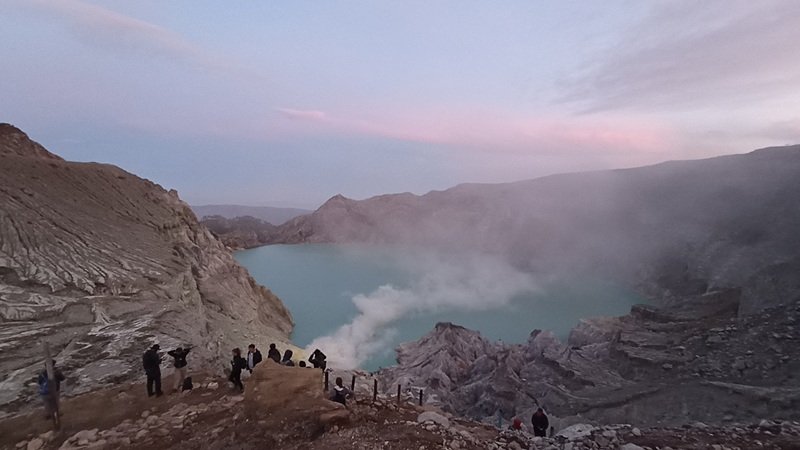
From the rim, a further steep descent of about 200 meters takes you to the crater floor where the blue fire vents are located. This section is on loose volcanic rubble and requires care. Gas masks are mandatory at the crater — the sulfur fumes at close range are strong enough to cause breathing difficulties without protection.
| Section | Distance | Time | Notes |
|---|---|---|---|
| Paltuding to Rim | 3 km | 1.5–2 hrs | Steep incline, well-maintained path |
| Rim to Crater Floor | ~500 m | 20–30 min | Loose rock, gas mask required |
| At Blue Fire Vents | — | 30–60 min | Stay to 4:30AM for sunrise from rim |
| Return to Paltuding | 3 km | 1–1.5 hrs | Easier descent |
Never attempt the crater descent without a guide. Fumes can intensify suddenly depending on wind direction. If you have asthma, COPD, or any respiratory condition, consult a doctor before booking. Gas masks are provided by our guides.
After the Blue Fire: Sunrise from the Rim
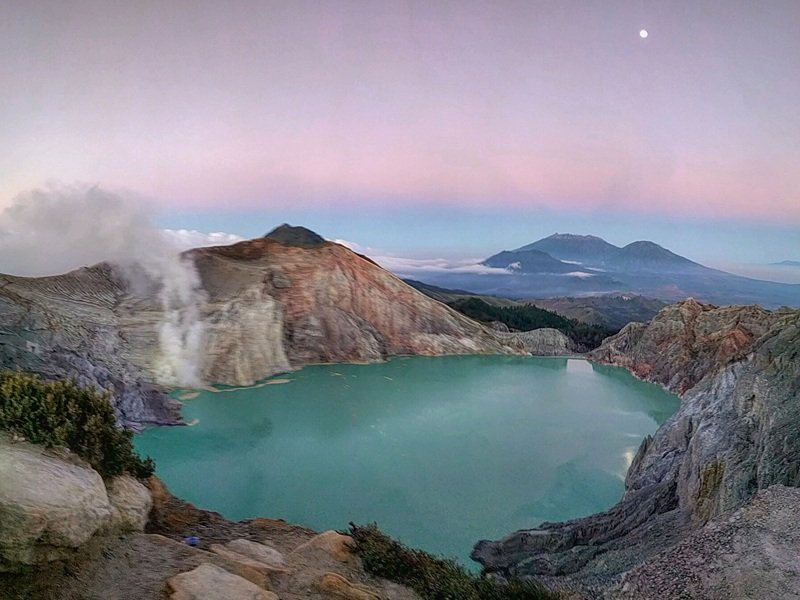
If you time your crater descent correctly (arriving around midnight, leaving the floor by 4:00AM), you'll be back on the rim in time for sunrise. The view from the Ijen rim at dawn is extraordinary — the turquoise acidic lake below, Bali's Agung volcano on the horizon, and steam rising from the vents in the early light.
This combination of midnight blue fire plus rim sunrise is the standard itinerary, and most travelers agree the sunrise rivals the blue fire itself as the trip highlight.
Ijen Accessibility: Can You Do It Without a Tour?
Technically yes — Ijen is a national park with a marked trail and public entrance. However, the midnight timing, gas mask requirement, and lack of lighting on the descent make independent trekking genuinely risky. Local guides know when fume conditions are dangerous, which sections of the path are unstable, and the safe approach to the vents. For a midnight crater descent, a local guide is worth every penny.
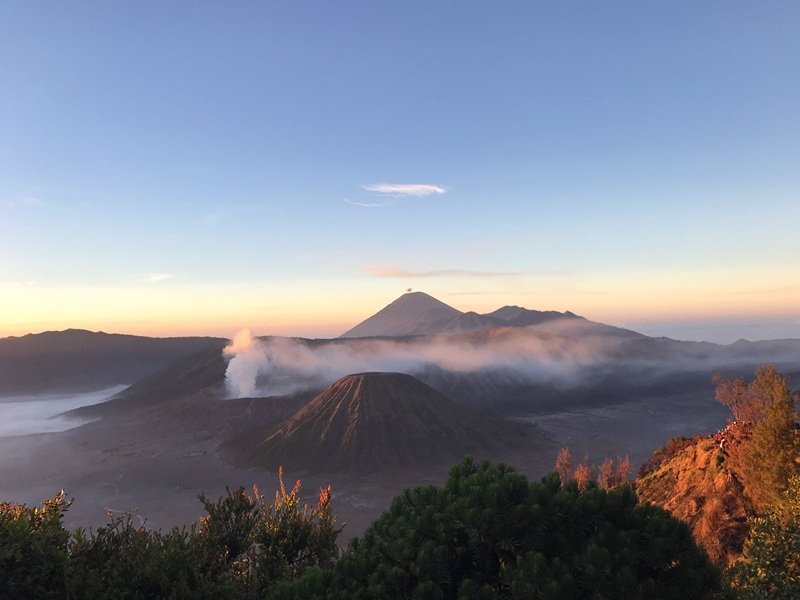
Combine Ijen with a Bromo tour for maximum efficiency. The classic 3-day/2-night Bromo + Ijen itinerary covers both volcanoes without backtracking — Bromo on night 1, Ijen on night 2, drop-off in Banyuwangi or Bali on day 3.
What to Pack for Ijen
The packing list for Ijen differs from Bromo because of the sulfur environment. See our detailed Ijen packing list →. The essentials: warm layered clothing (summit temperature around 10–15°C at midnight), a headlamp with fresh batteries, and water shoes or rubber-soled shoes for the wet rocky crater floor. Gas masks are provided by our team.
Ready to Experience This Yourself?
Our guides have led 500+ travelers to East Java's most spectacular destinations. Let us plan your perfect trip.