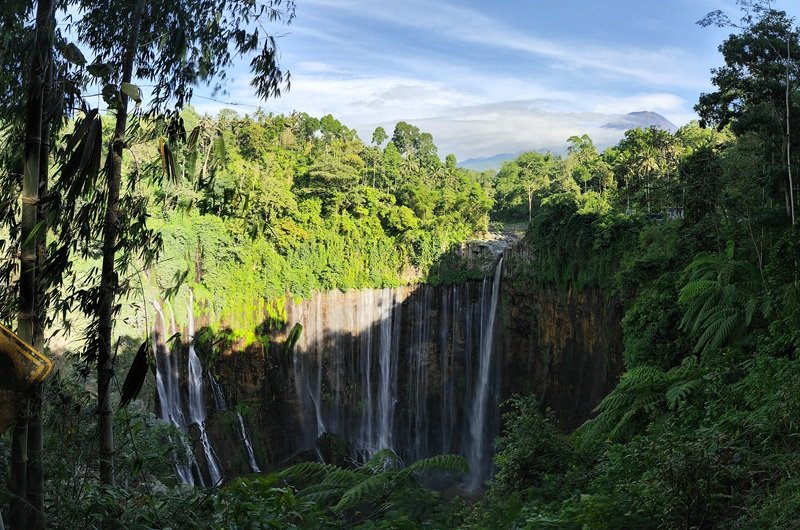
Tumpak Sewu — meaning "a thousand waterfalls" in Javanese — is one of Southeast Asia's most spectacular natural wonders. A 120-meter curtain of water thunders down a horseshoe-shaped cliff face into a jungle gorge, surrounded by dozens of secondary falls that give it the name. Reaching the base requires a steep canyon descent that most tourists don't attempt — which is exactly why it's worth it.
What Makes Tumpak Sewu Different
Most of Indonesia's famous waterfalls can be viewed from a platform or after a short walk. Tumpak Sewu requires actual effort: a 45-minute descent down the canyon wall using ropes, chains, and slippery rocks, followed by a river crossing. At the bottom, you're standing directly beneath a wall of falling water in a jungle amphitheatre — completely closed off from the outside world. The noise is immense. The spray reaches you 50 meters away.
Because the descent is challenging, perhaps 30% of visitors who arrive at the upper viewpoint actually make it to the base. That 30% has an experience the other 70% don't.
The Trek: Step by Step
Upper Viewpoint (15 minutes from car park)
The upper viewpoint gives the classic wide-angle photo of Tumpak Sewu — the full horseshoe of falls visible from above. This is where most group tours stop. The view is dramatic but incomplete. The real experience is below.
Canyon Descent (45–60 minutes)
The descent begins on a clear marked path that quickly becomes a series of roped sections down near-vertical walls. Local guides are essential here — not because the route is hidden, but because knowing which rocks are stable and which sections are slippery in current conditions genuinely matters. The descent ends at the river level, where you'll wade through ankle-to-knee-deep water depending on season.
The Falls Base (spend 30–60 minutes)
Standing at the base of Tumpak Sewu is the payoff for everything. The scale is difficult to photograph — your phone struggles to capture a 120-meter waterfall in close quarters. The pool at the base is cold and swimmable. Smaller side falls create natural showers. The canyon walls are covered in ferns and mosses fed by permanent spray.
Goa Tetes Cave (optional, 20 minutes extra)
A short walk from the main falls leads to Goa Tetes — a cave formation through which a stream flows, with small pools lit by sunlight filtering through rock gaps. Most visitors don't know it exists. Ask your guide specifically to include it.
We say this in every booking confirmation: do not attempt the descent without water shoes or rubber-soled shoes with ankle support. Regular sandals, flip-flops, or smooth-soled sneakers will cause falls on the wet canyon rock. At minimum, use closed-toe rubber-soled shoes that can get wet.
Best Time to Visit
Tumpak Sewu flows year-round because its water source is fed by Semeru volcano's snowmelt and consistent rainfall. Wet season (November–March) delivers maximum water flow and the most dramatic spectacle — the canyon becomes a roar of water. Dry season (April–October) makes the descent slightly safer (less slippery) and the river crossings shallower. Both seasons offer an extraordinary experience.
Arrive at the car park before 8:00AM to descend before the late-morning tour buses arrive. The canyon base gets crowded between 10:00AM–12:00PM. An early start also gives you better light for photography inside the gorge.
Combining with Bromo and Ijen
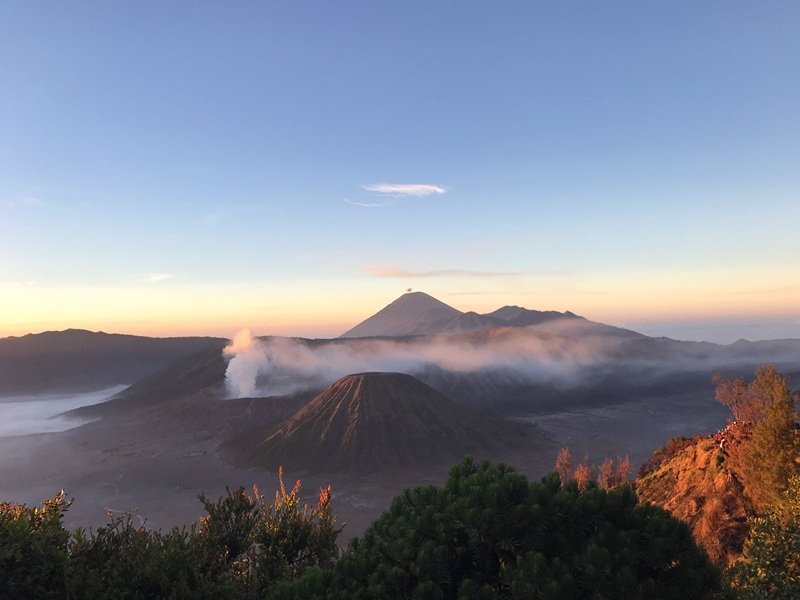
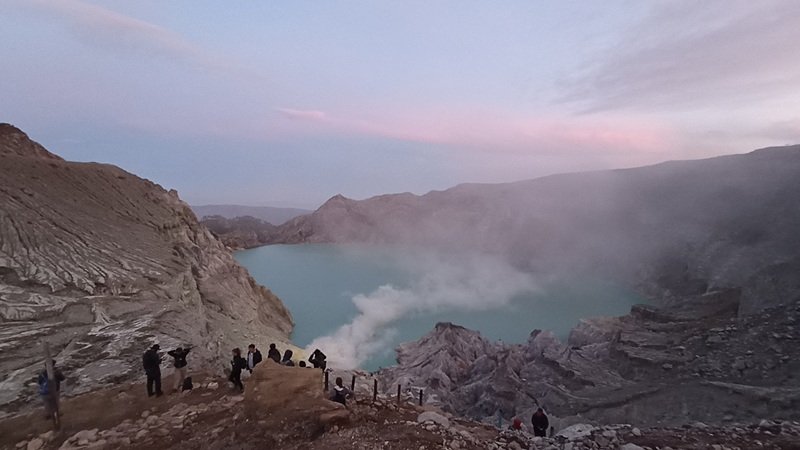
Tumpak Sewu is geographically between Malang and Banyuwangi, which places it naturally on the route between Bromo (west) and Ijen (east). Our most popular multi-day tour — the 4-day Bromo + Ijen + Tumpak Sewu combo — covers all three in one overland journey with overnight stays. It's the most efficient way to see East Java's three signature landscapes without doubling back.
Ready to Experience This Yourself?
Our guides have led 500+ travelers to East Java's most spectacular destinations. Let us plan your perfect trip.